
How to Plan a Home Remodel in Phases
How to Break Your Renovation into Phases Without Losing the Vision OR Momentum
There is a moment that happens to almost every homeowner who has ever gotten a contractor bid. You have your vision, you are excited, and then the number lands in your inbox and you think they accidentally added an extra '0'.
The instinct is to start cutting. Fewer rooms. Cheaper finishes. Maybe just do the kitchen now and figure out the rest later.
I want to offer you a different way to think about this...one that protects your vision, respects your budget, and sets you up for a result you will actually love, even if it takes a few more years to get there.
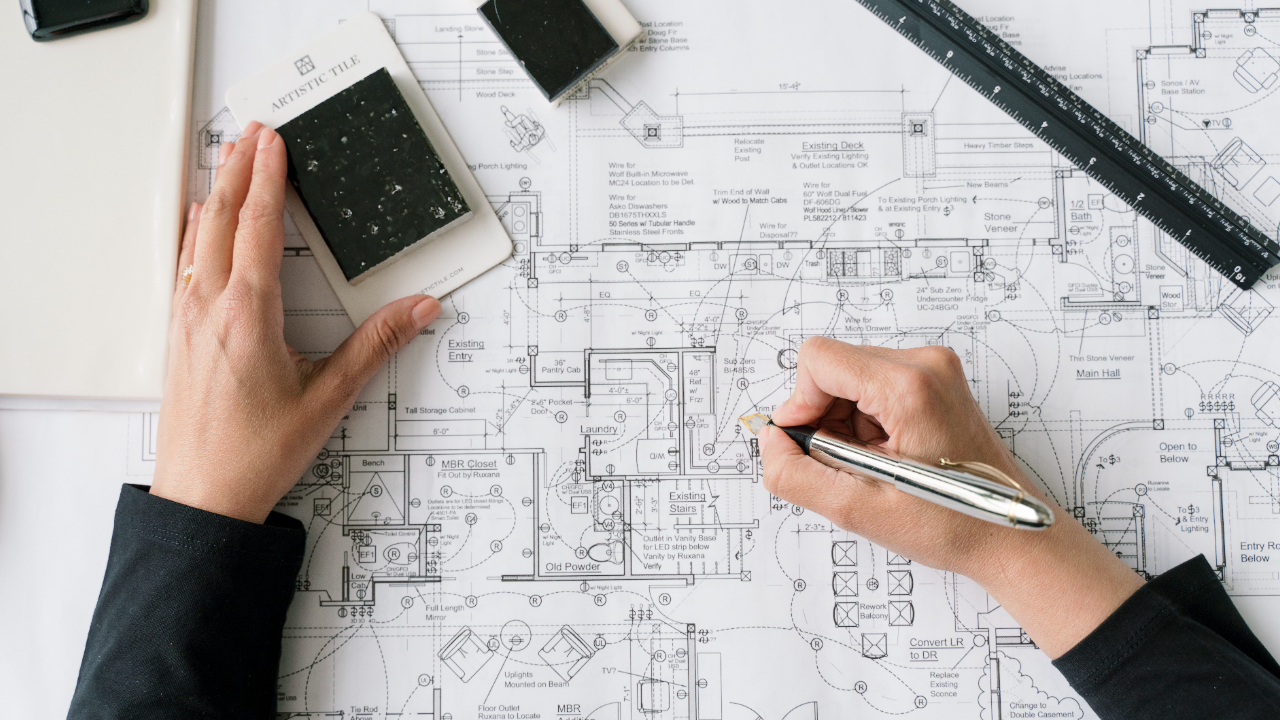
Start with design. Not a contractor.
The most common mistake I see homeowners make is calling a contractor before they have a design. It feels logical...contractors do the work, so they can provide a 'ballpark' budget, right?
Here's the problem. Without a design, you are asking for a budget based on a hypothetical. The contractor is guessing, interpreting, and making decisions using their own discretion. Or worse, someone underbids to get the job.
This process (design first - get bids second - build third) is taught and endorsed by all professional institutions, including the American Institute of Architects (AIA) and the American Society of Interior Designers (ASID). When the design is complete, and the finishes are finalized, something important happens: you can get apples-to-apples bids. Every contractor is working from the same detailed plan, which means you can compare pricing with confidence. There's no guessing or cost averaging. You get a REAL timeline and a corresponding budget.
This is a powerful position to be in because you have the opportunity to adjust the design, the materials, or the scope BEFORE the first hammer gets swung.
The reason so many people do it backwards (contractor first - then work out the design) is they don't know where to begin. They're overwhelmed and confused, so they get their directions from the contractor..."Go to XYZ showroom and select your tile, then go to ZYX showroom and select your cabinets"...etc. And suddenly you have random salespeople all contributing towards your design, without an understanding of your overall vision or budget. And you've started making selections that don't have any bearing on the actual spaces. You selected a vanity light, but the space would be much better served with a pair of sconces. Multiply this by THOUSANDS of macro and micro decisions, and suddenly you start making random decisions simply so you don't have to make any more decisions!
contractors execute the design; they don't create it.
Phase the work. Not the vision.
The ONE THING that changes everything? Having the design first means you can phase the implementation of a renovation without phasing the design. This means you're building towards a COHESIVE vision.
At my firm, Ruxana's Home Interiors LLC, I encourage clients to design the full scope of their home knowing the work will happen over three to five years. This way, every room is part of a cohesive holistic plan - the materials flow, the color relationships are intentional, the architecture makes sense from one end of the house to the other...even when the work is spaced out over time.
Designing a few rooms at a time without an overarching plan is one of the most reliable ways to end up with a home that feels disjointed. Each phase was decided in isolation, and it shows.
How to decide what gets done first
Once you have your master plan, the sequencing question becomes much easier to answer. Here is how I think about it:
Prioritize function over aesthetics. Kitchens and bathrooms are used every day. Addressing the spaces that cause the most friction in your daily life tends to have the highest immediate impact.
Don't work backwards. We once worked with clients whose lowest priority was an upstairs guest bathroom, until we discovered the plumbing needed to be rerouted through the living room ceiling below. Had we finished the living room first, we would have torn it apart two years later. Think ahead before you sequence.
Fix the structure first. Renovation plans evolve, and structural issues surface unexpectedly. Water damage, failing dormers, compromised foundations...these are never optional. The structure comes first, always.
Low-disruption spaces can come early (or later.) Guest bedrooms, secondary bathrooms, and formal dining rooms are reasonable places to begin because their renovation won't significantly affect how your household functions day to day. Or conversely, they can come later because if the goal is to improve your daily life, these spaces often have less impact.
Work with the seasons. Planning a kitchen renovation in the summer means you can grill and enjoy salads and other light meals. You can even clean the dishes in a makeshift outdoor kitchen. Schedule disruptive demo work when you're on vacation.
Phasing does not mean compromising
Because I've seen the disappointment when this happens, I want to tell you clearly: breaking your renovation into phases does not mean settling for less.
In fact, the opposite is frequently true. When you are not stretching a budget across everything at once, you can invest properly in each phase...the right materials, the right craftsmanship, and the right furniture. Don't cut corners everywhere to get it all done at once. There is nothing more disheartening than placing old, dated furniture into a beautifully renovated space because the budget ran out.
A phased renovation, done with a master plan as its foundation, gives you a comprehensive, completed space that's exactly as you envisioned. Then, you live beautifully in the spaces that are finished while the next phase takes shape.
The goal is a home that holds you
Your home should evolve with your life. The renovation you are planning today is not just about finishes and floor plans...it is about making sure the place you spend your life actually fits who you are now, and who you are becoming.
That takes intention. It takes a plan. And it takes giving yourself permission to do it well, even if it takes time.
If this is the season you are starting to think seriously about a renovation, I would love to have you join me AT HOME. My newsletter is a design digest where I share what I know about designing and renovating with intention.
Welcome!

I'm Ruxana - nice to meet you!
As a professional interior designer, I empower my clients to live their best lives through intentional and thoughtful interior design. I have a degree in Interior Design and over 24 years of professional experience. My travels around the world have also informed my design philosophy, allowing me to create warm, inviting homes. Homes where everyday events are celebrated...and where dogs are members of the family.